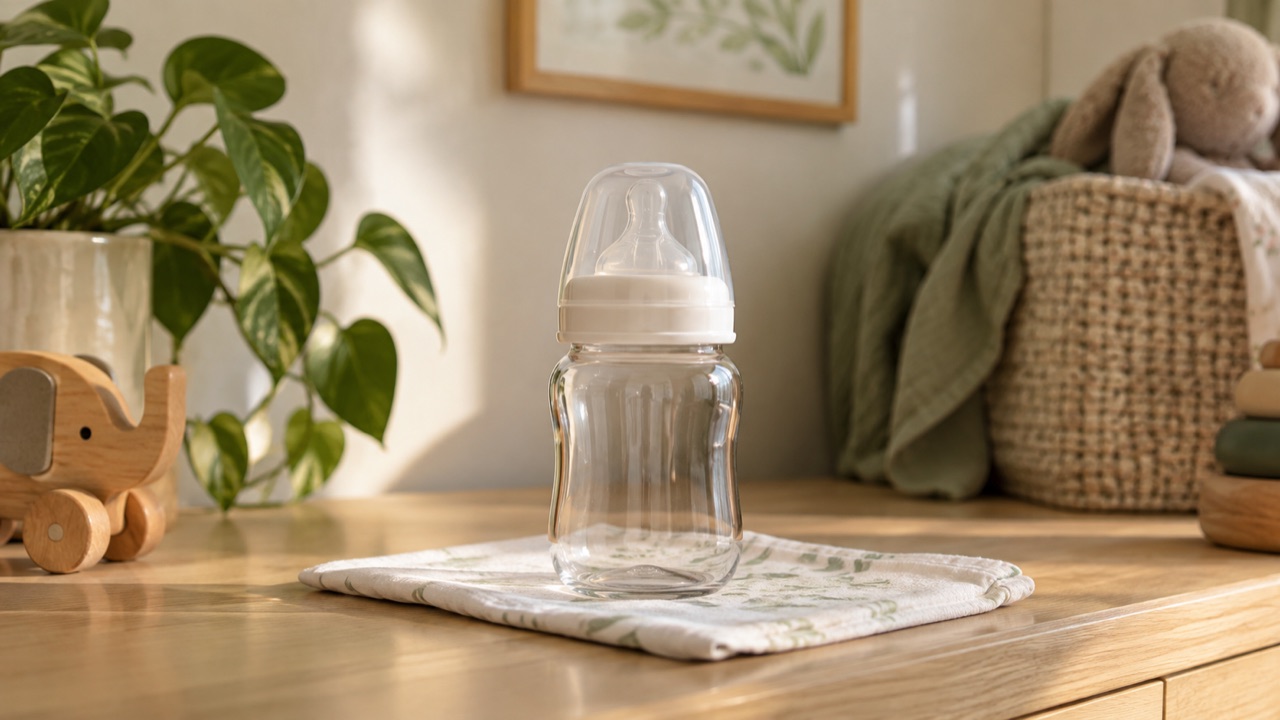
Baby bottles: the rule, and the glass comeback දරුවන්ට — SLS 1306 සහ වීදුරු බෝතල්

Feeding bottles have their own standard under the 2026 rules — SLS 1306. And in Sri Lankan nurseries, glass feeding bottles are quietly coming back. Here's what the rule means for you, and how to buy glass for a newborn without worry.

SLS 1306 · since 1 Apr 2026 දරුවන්ට ආරක්ෂිතයි New-parent friendly

The rule

SLS 1306, in one minute SLS 1306 නීතිය

Since 1 April 2026, polymer (plastic) feeding bottles sold in Sri Lanka must meet standard SLS 1306 and carry the SLS certification mark issued by the Sri Lanka Standards Institution. Uncertified feeding bottles can no longer be manufactured, imported or sold.

Practically: if you buy a plastic feeding bottle today, look for the mark — the same shelf check we describe in the SLS mark guide. If you buy a glass feeding bottle, the rule doesn't apply — glass is outside it, exactly like the bigger wasa bothal this site is named for.

Why glass

Why grandparents were right වීදුරු ඇයි

Glass feeding bottles never really left — they just waited. Three reasons parents are choosing them again:

Sterilizing without worry

Boiling water is the classic sterilizer, and glass takes it without degrading. (Warm the bottle gradually — see the care notes below.)

No scratches to trap residue

Plastic develops fine scratches over months of use and brushing; glass stays smooth and transparent for years, so you can see it's clean.

The microplastics question, removed

No polymer body, no microplastic debate — the same logic that moved school kids to glass, applied from day one. Our research summary keeps this in proportion.

Shopping list

What to look for මිලදී ගැනීමට පෙර

1
Wide neckEasier to clean with a brush and easier to fill with formula — worth prioritizing over looks.
2
Silicone sleeveCheap insurance against breakage, and it gives small hands a grip later on.
3
Nipple flow matched to ageFeeding nipples come in flow levels; choose the one suited to your baby's age, and follow your paediatrician's guidance on feeding.
4
Spare availabilityCheck that replacement nipples and caps for that brand are sold separately — you'll need them long before the bottle wears out.
5
Sealed and inspectedBuy sealed stock and do the delivery inspection on arrival: rim, base, thread, no chips. Same routine as any glass bottle.

Where to look: search “glass feeding bottle” on Daraz — the same cash-on-delivery advice from our buying guide applies.

Daily care

Caring for a glass feeding bottle රැකවරණය

1
Warm gradually, then sterilizeDon't move a cold glass bottle straight into boiling water — let it warm first. Full cleaning routine in our cleaning & care guide.
2
Disassemble the capMilk residue hides under gaskets and collars — take the cap stack apart at every wash.
3
Inspect after every dropA fall onto tile that leaves no visible crack can still craze the surface. When in doubt, retire the bottle.
4
Replace nipples on scheduleNipples wear faster than the glass — follow the manufacturer's replacement guidance and swap immediately if the flow changes or the material turns sticky.

FAQ

New-parent questions නව දෙමාපිය ප්‍රශ්න

Do plastic feeding bottles really need the SLS mark now?
Yes — SLS 1306 and the mark are mandatory for polymer feeding bottles since 1 April 2026. No mark, no sale. Glass feeding bottles sit outside the rule.
Are glass bottles too heavy for the baby to hold?
Newborn feeds are parent-held, so weight doesn't matter at first. When self-holding starts, many families switch that feed to a lighter bottle — or use the silicone sleeve as a grip aid.
How many bottles do we need?
Most parents run a small rotation so one is always clean and sterilized while another is in use. Start small — bottles are cheap to add, and your baby will have opinions.
Where does SLS 1616 fit in?
SLS 1616 is the standard for adult-size plastic drinking bottles; SLS 1306 is the feeding-bottle one. Both became mandatory on the same day. The rules page has the full timeline.

Sorting the older kids too? වැඩිහිටි දරුවන්ටද?

School-term glass bottle picks, refreshed every January, April and September.